
The Pendulum Trap
Engineering management keeps swinging between “be more technical” and “be more human.” The player-coach fantasy is just the latest swing – and it’s already breaking things.

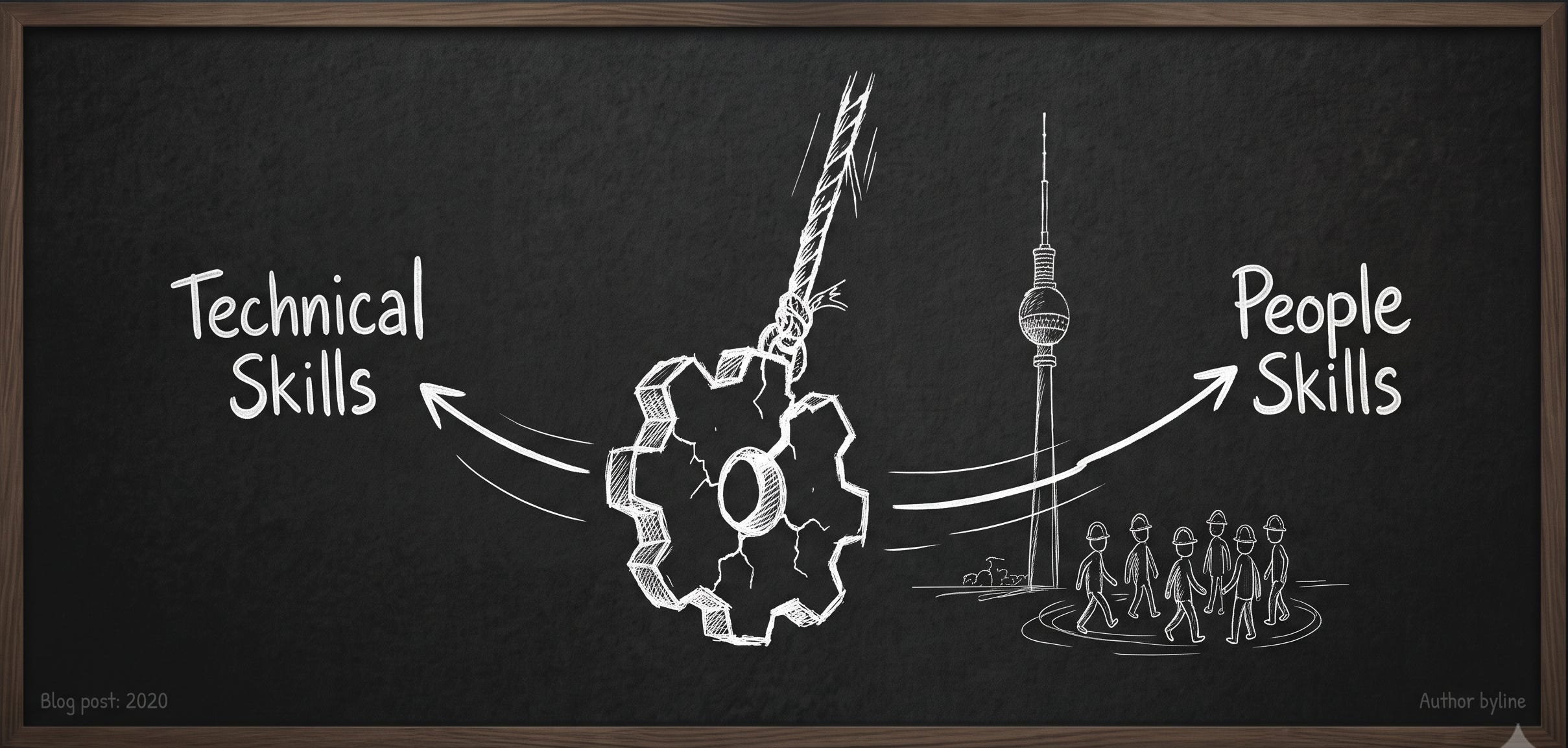
I’ve been thinking lately about how engineering management, at least in Berlin, has been swinging like a pendulum for the past seven years.
Management should adapt to the times, the markets, and the roles – not the other way around. And yet, that’s exactly what keeps happening.
Around 2016-19, managers were still fairly technical. Retention I guess wasn’t a priority, and people management skills weren’t exactly in demand.
Then things shifted.
As time went on, retention became the priority. Money was flowing, talent was scarce, and companies were fighting for people. I remember arriving in Berlin – job posts were all about huge relocation budgets, bonuses, fresh fruit, and drinks in the office. Some offered a bit of home office; others threw in massage rooms, relaxation areas, even video games. Attracting top talent was priority number one, and losing talent was just as frequent as hiring it – sometimes more.
I remember one of my first companies where the talent acquisition team had a target of ~50 engineering hires a month. Why? Because they were losing roughly the same a month and sometimes more. We were basically crippled. Huge investment went into hiring and relocation, and talent kept walking out the door. The cost of losing people was far higher than what we were spending to retain them.
That’s when the pendulum swung hard toward people management skills.
I’d gone into management as a fairly technical, hands-on person. In 2020, while looking for my next role, I failed interview after interview for lack of “leadership experience.”
And what was leadership experience, really? Memorizing countless quotes and leadership books. Things like “my management style,” the five types of leadership, servant leadership, conflict management, psycological safety, etc… I had to become fluent in a new kind of fancy words pretty much. The ideas underneath it weren’t empty – people do need genuine support, honest feedback, frameworks that make them feel seen – but in too many interview rooms, they’d been reduced to a recitation contest, vocabulary you performed rather than lived.
So I learned the language. Eventually my actual skills caught up with the theory, and I started landing offers – just like many engineers did back then. That was the golden era.
Then LLMs entered the picture.
Suddenly, being an engineer wasn’t so special – or at least, that’s what some people (non-engineers) wanted to believe. Maybe they’d had a rough time with engineers in the past, and the idea of not needing those “arrogant pricks” felt deeply appealing. Bad news: good, solid engineering is still very much needed.
And the pendulum? It’s swinging right back to “managers must be technical.”
Now all those words and techniques I learned aren’t enough. Tenured managers like me are being offered “exciting IC role opportunities” or “Member of Technical Staff” positions. Engineering managers are having to learn – or re-learn – how to be technical just to stay attractive in this market. The fantasy is a leader who does two jobs for the price of one: a manager who writes significant production code, dives deep into architecture, and still keeps the team from falling apart. The industry loves to call this the “player-coach.”
Is the player-coach model even a good idea?
In tiny doses, with very small, very senior teams, sure. A staff engineer leading a three-person research squad can pull it off. But once a team grows beyond a handful of people, the player-coach model breaks down. You can be a great coach, or you can be a great player. Try to do both at scale, and you become a mediocre version of each.
When managers are measured by their commit history again, the careful, time-consuming work of developing people is the first thing to slip. One-on-ones get cancelled. Career conversations get pushed. Team members feel unheard. The best people quietly start looking. And the retention crisis that we just lived through? It comes right back around – except this time, the managers in place are technically brilliant but emotionally absent, and completely unequipped to stop the bleeding.

The real danger isn’t the idea that managers should understand technology. It’s that organizations turn technical competence into a purity test and dismiss the people skills they were desperate for just a few years earlier, as if those skills suddenly don’t matter. The pendulum swing becomes a trap: it feels pragmatic in the moment – slash the management overhead, demand output – but it sets up the very conditions that will make the next “people skills” crisis inevitable.
A balanced approach
In an ideal world, we’d get both: a solid, technically capable, hands-on manager. They’re scarce, but they exist. And people skills are needed now more than ever. People need support, structure, and frameworks that let them – and LLMs – collaborate effectively.
The most durable engineering organizations I’ve seen don’t chase the extremes. They insist managers stay technically involved without needing to be the best engineers in the room. Technically involved doesn’t mean writing the production fix yourself; it means being able to read a pull request and ask an intelligent question about a trade-off. It means understanding what the team is wrestling with technically well enough to support them during tough product decisions, without needing to be the one who ships the solution. It’s proximity, not primacy.
There might be examples of structures where management isn’t needed: perhaps a strong lead engineer, or a group of highly experienced people. But that’s not the norm.
Managers should stay technical, stay relevant, and understand what’s going on in the market and in our field – without having to become better than the engineers themselves. The genuinely wise move is to hold the pendulum still, or at least reduce its arc, and build a management culture that values both depth and breadth, rather than chasing whichever one the market happens to reward this year.